The Magic of Naan, Roti and Indian Breads: The Secret is Fermentation
What differentiates true naan from any imitation is an ancestral fermentation process. Learn the secrets of Indian breads.
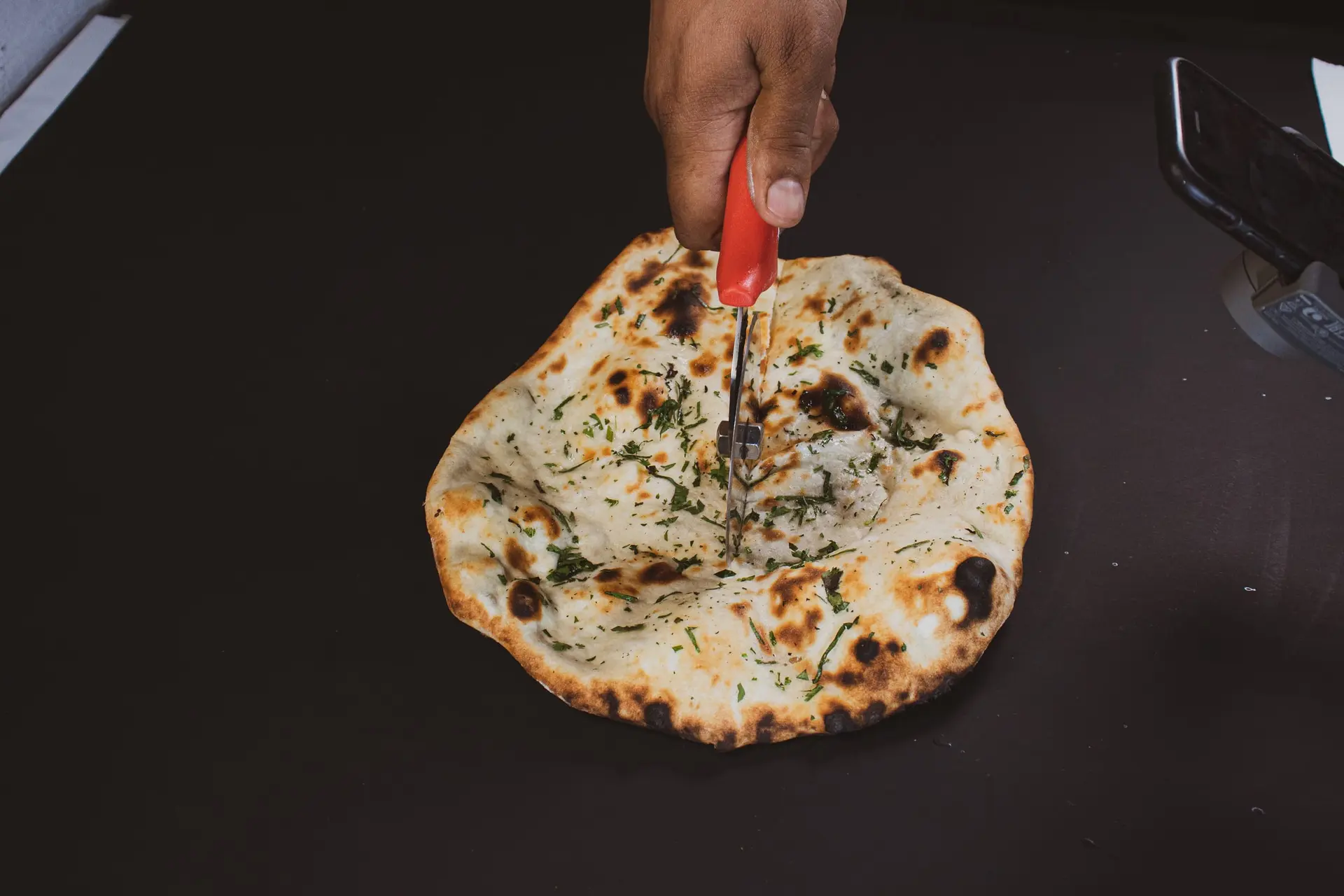
If you think naan is just "Indian flatbread", you are missing half the magic. The real difference between an extraordinary naan and a mediocre one is not in the oven - it is in the fermentation. Let us explain why.
The family of Indian breads
India has one of the most diverse bread-making traditions in the world. Each region has its characteristic breads, and understanding their differences is key to appreciating authentic Indian cuisine.
- Naan: fermented, cooked in tandoor, soft
- Roti / Chapati: unleavened, cooked on griddle (tawa), thin
- Paratha: layered, flaky, on griddle
- Bhatura: fried, fluffy, fermented
- Kulcha: fermented, similar to naan but thicker
- Puri: fried, puffs up like a balloon
Naan vs Roti: The fundamental difference
This is the most common question. Short answer: naan is FERMENTED; roti is NOT FERMENTED. That technical difference produces two completely different breads in flavor, texture, and nutritional properties.
The secret: ancestral fermentation
Traditional naan dough includes at least one of these fermenting agents:
- Natural yogurt (most common and traditional)
- Fresh or dry yeast
- Khamir (Indian sourdough)
- Baking soda (for modern quick naans)
- Some chefs combine two or more
How does fermentation work?
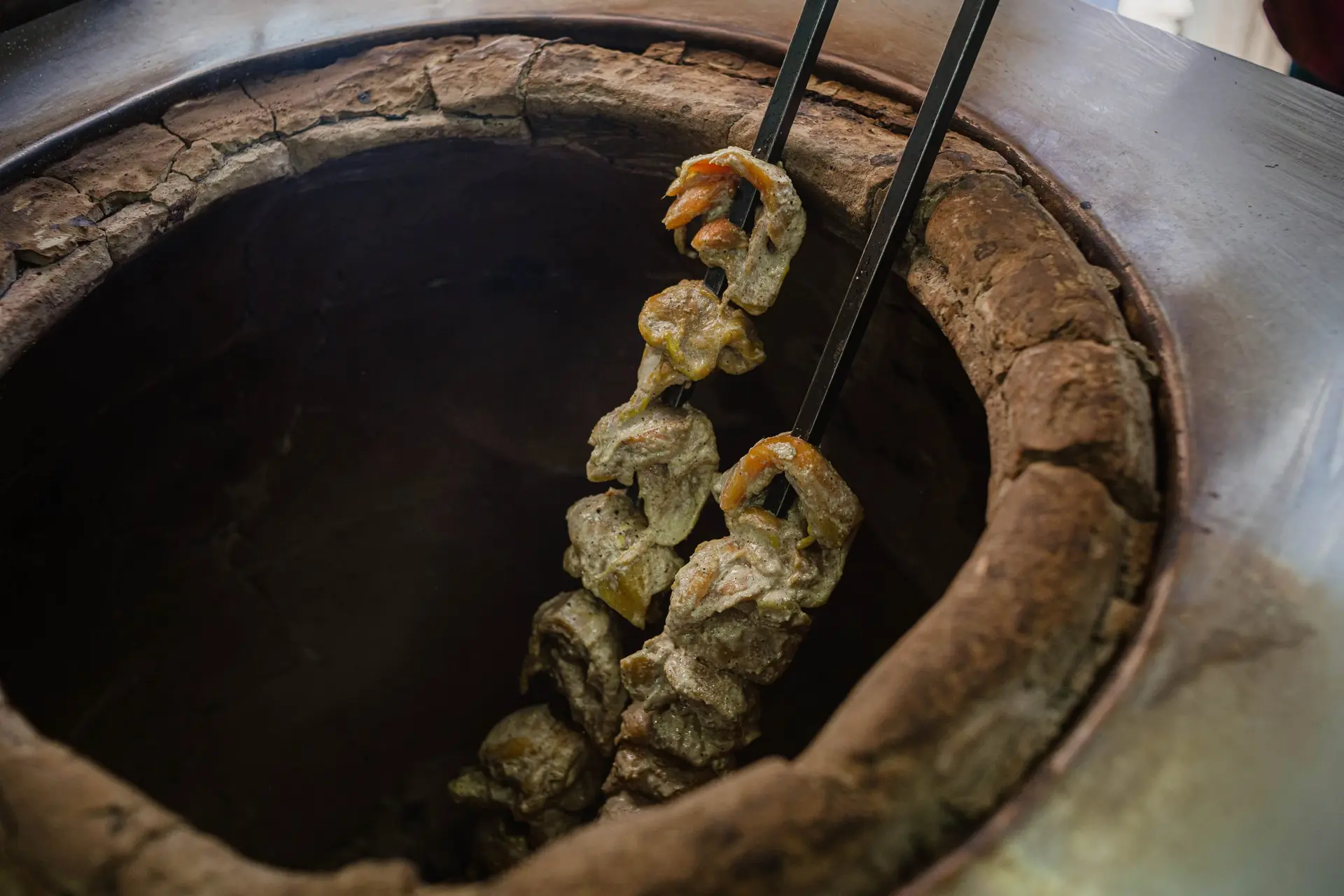
When microorganisms from yogurt or yeast contact the flour, they begin metabolizing sugars and produce carbon dioxide. This gas creates the characteristic bubbles of naan, which when instantly cooked in the tandoor at 480°C expand forming that unique texture - crispy exterior, airy interior.
Fermentation time: the key factor
At Señor Naan we ferment our dough for at least 4 to 6 hours minimum. Some traditional chefs ferment for 12-24 hours. The longer the fermentation:
- More complex flavor
- Easier to digest (microorganisms pre-digest gluten)
- Greater aroma development
- Spongier and airier texture
- Longer shelf life
The difference you will notice
An industrial or frozen naan has 30 minutes of fermentation maximum, sometimes none. An authentic naan fermented for hours has a slightly tangy flavor, a light texture, and stays soft even when cooled. It is the difference between supermarket white bread and an artisan sourdough.
Roti: ancestral simplicity
Roti or chapati is one of the simplest breads in the world: whole wheat flour (atta), water, salt. No fermentation, no waiting time. Cooked on a hot griddle (tawa) in a matter of minutes. It is the daily bread in most Indian households. Its greatness is in its simplicity.
Kulcha: naan close cousin
Kulcha is like naan but denser and often stuffed (with potato, onion, cheese). Originally from Lucknow and Punjab, it is also fermented but with less hydration than naan. Perfect for accompanying heavy curries.
Bhatura: the fried indulgence
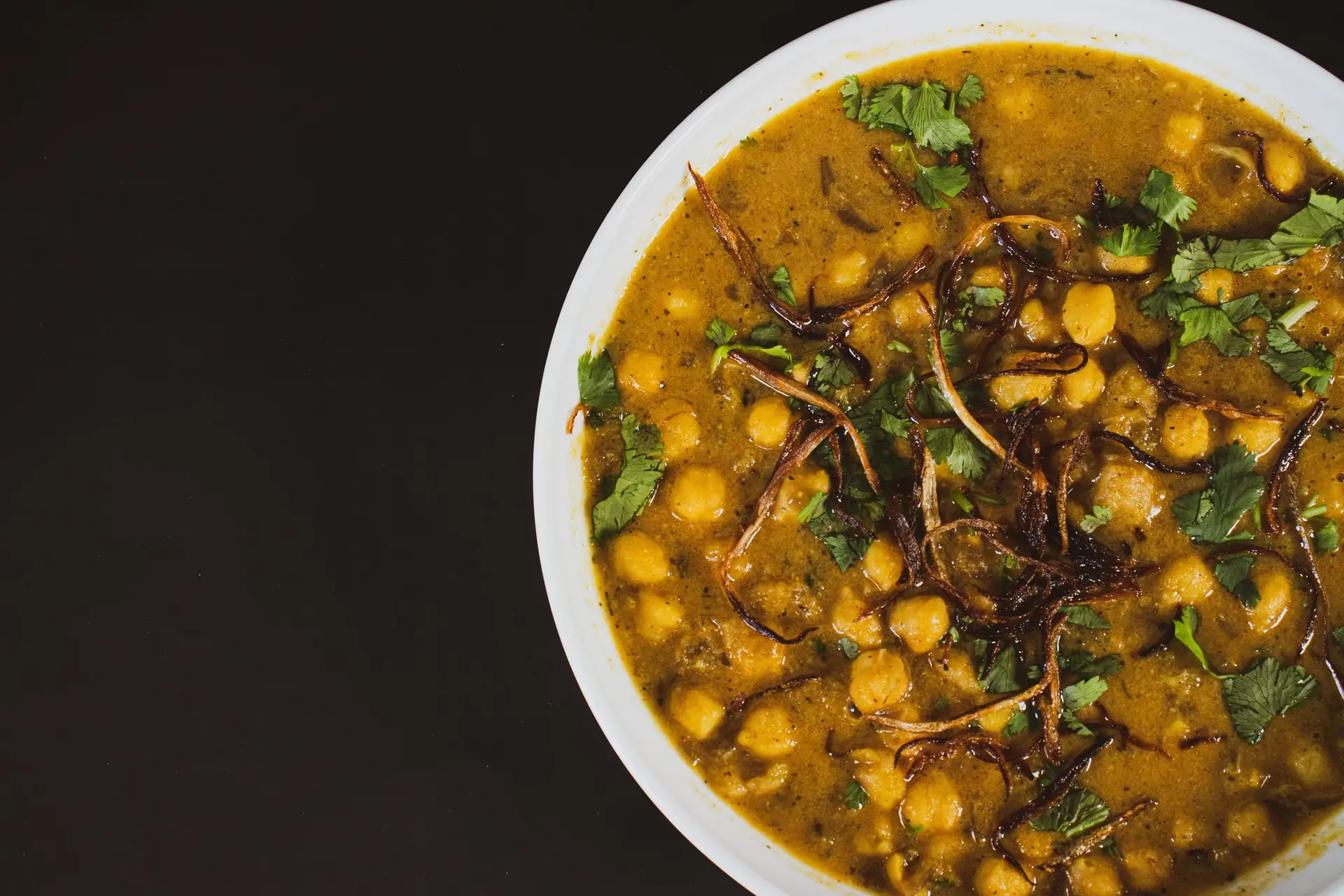
Bhatura is a fermented bread but, unlike naan, it is fried instead of baked. Result: a giant fluffy and crispy ball traditionally served with chole (chickpea curry). Originally from Punjab.
Why are Indian breads so special?
The combination of ancestral fermentation, extreme tandoor heat, and techniques passed down through centuries produces breads that are impossible to replicate industrially. Every naan at Señor Naan is naturally fermented and instantly cooked in our tandoor at 480°C - exactly as it has been done for thousands of years in Punjab.
Next time you try a naan at Señor Naan, remember: you are eating the result of hours of patient fermentation, seconds of extreme heat, and thousands of years of tradition. That is the real magic of Indian bread.