
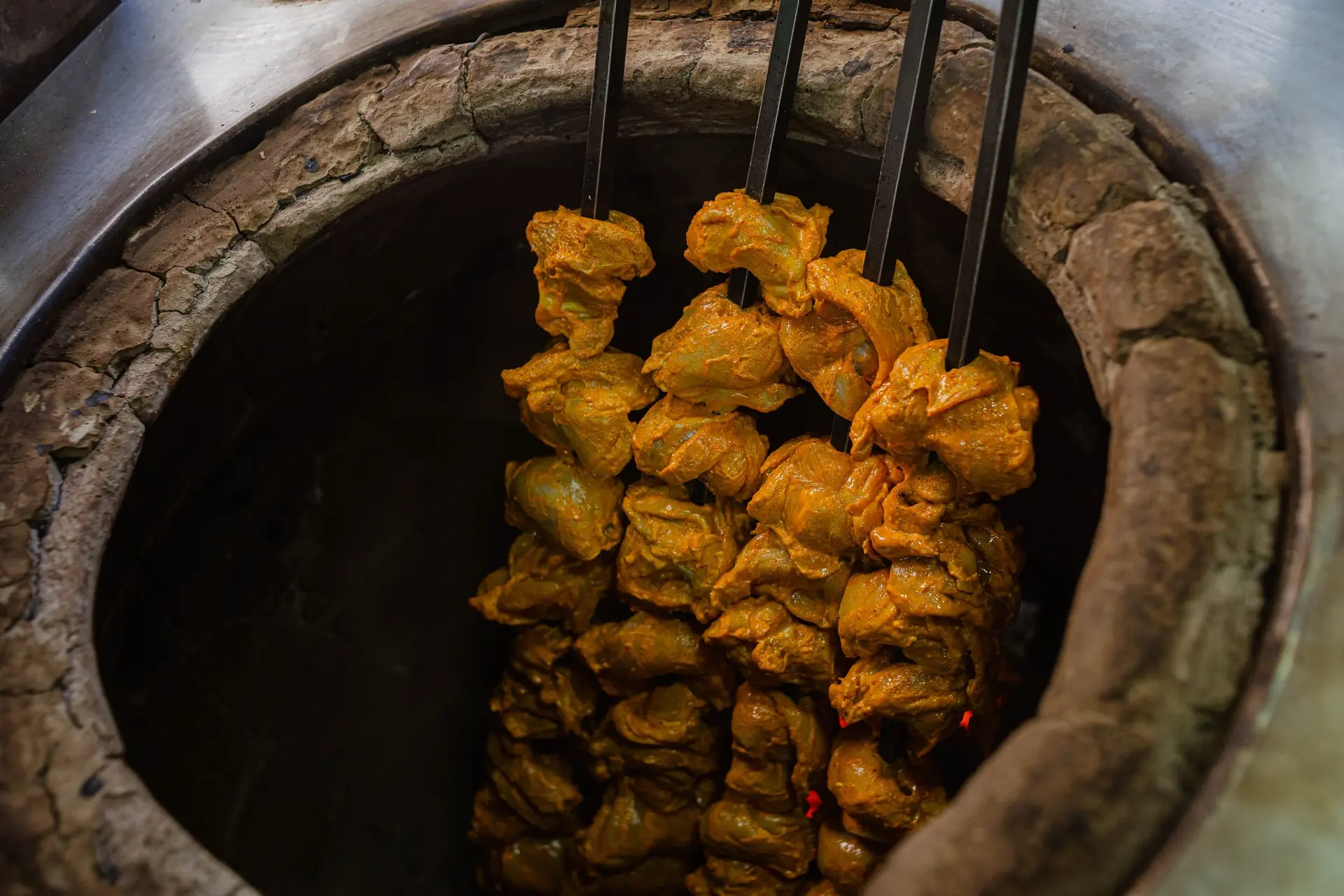
The Tandoor: Deep Roots in Punjab, Lahore and the Middle East Connection
A historical journey from Middle Eastern kitchens to Lahore and Punjab. How the tandoor unites cultures through fire and bread.
The tandoor we know today in any Indian restaurant in the world was not born in India. Its history is a fascinating journey of thousands of years that connects the Middle East, Persia, Punjab, and Lahore in a shared culinary heritage few know about.
The origins in Mesopotamia and the Arab world
The ancestor of the tandoor is the Arabic "tannur" (تنّور), a cylindrical clay oven used in Mesopotamia over 5,000 years ago. The word "tannur" even appears in the Hebrew Bible. From Iraq and Syria to Lebanon and Egypt, the tannur has been the traditional oven for making flatbread (taboon, lavash, khubz) for millennia.
The connection with Lebanon and the Eastern Mediterranean
In Lebanon, the "taboon" is used today just as it was thousands of years ago. The technique of sticking dough to the walls of the hot oven is identical to that of Indian naan. Arabic markook bread, Armenian lavash, Iranian barbari, and Indian naan are all direct siblings from the same family tree.
The journey through Persia
The tannur reached Persia (now Iran) where it took the name "tanur" or "tanoor". The Persians perfected the techniques of marinating with yogurt and spices, laying the foundation for what we know today as tandoori cuisine. When Persians migrated to the Indian subcontinent, they took their ovens with them.
The arrival in Punjab and Lahore
Punjab - both the Indian and Pakistani sides - is where the tandoor found its definitive home. The region is agricultural, fertile, and produces the best wheat of the subcontinent. The Punjabis, known for their love of abundant celebratory food, embraced the tandoor enthusiastically.
Lahore, today the cultural capital of Pakistani Punjab, is considered the "world capital of naan and tandoor". Its streets are full of community tandoors where families bring their dough to be cooked. The culture of the "tandoorwala" - the tandoor baker - is centuries old.
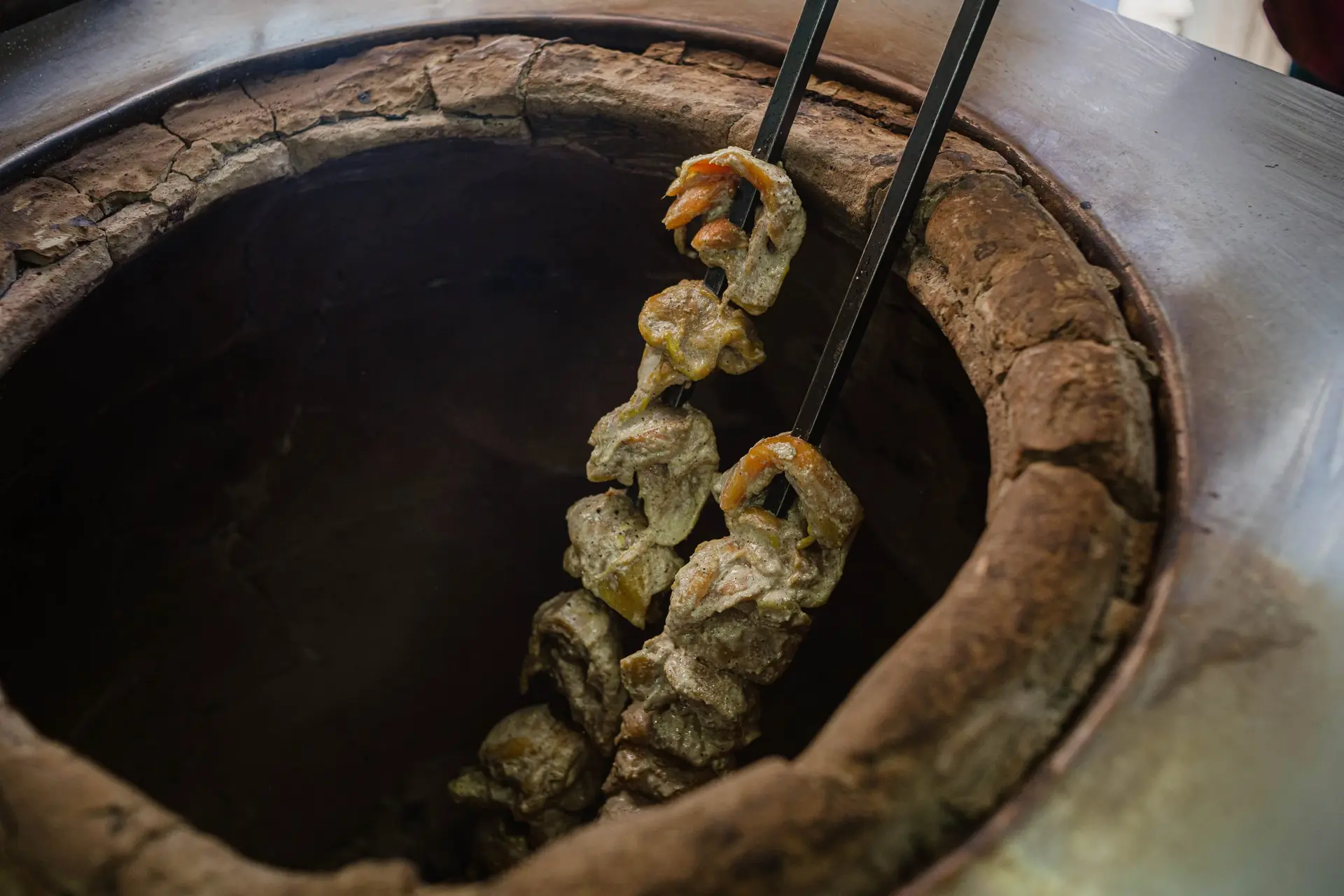
The Tandoori Chicken revolution
Tandoori Chicken as we know it was invented in the 1940s in Peshawar (then part of British India, now Pakistan) by Kundan Lal Gujral. When he fled to Delhi during the 1947 partition, he opened Moti Mahal restaurant and popularized the dish worldwide. Butter Chicken was also born there a few years later.
The shared fermentation technique
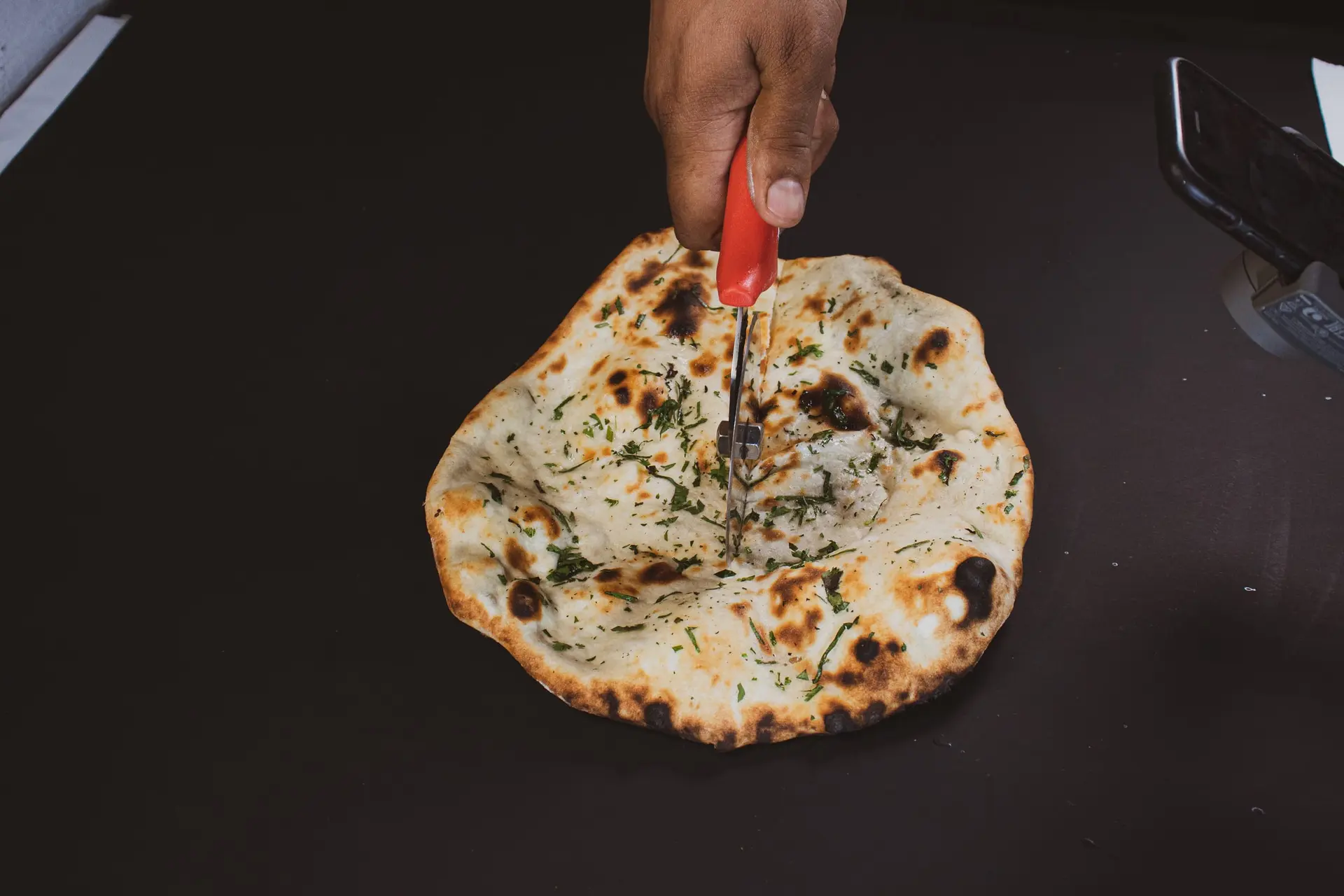
Something fascinating: Indian naan, Arabic khubz, Lebanese pita, and Iranian lavash share the same fermentation technique with natural yeast or yogurt. This ancestral technology travels with the tandoor: where there is tandoor, there is fermented bread.
Regional differences today
- Lebanese tannur: markook flatbread, unleavened
- Iranian lavash: very thin, almost like paper
- Indian naan (Punjab): thick, yogurt-fermented
- Afghan roti: flat type with sesame
- Arabic khubz: round, fluffy
Why this history matters
When you eat a naan fresh from the tandoor at Señor Naan in Oaxaca, you are eating the result of 5,000 years of tradition that connects Iraq, Lebanon, Persia, Pakistan, and India. The fire is the same. The clay is the same. The technique traveled with every migration, every conquest, every marriage between cultures.
In an increasingly fragmented world, the tandoor reminds us that the best culinary traditions are always the fruit of cultural exchange. When you bite into that hot naan, you are participating in a global conversation thousands of years old.